Education Loan Repayment Options and EMI Plans
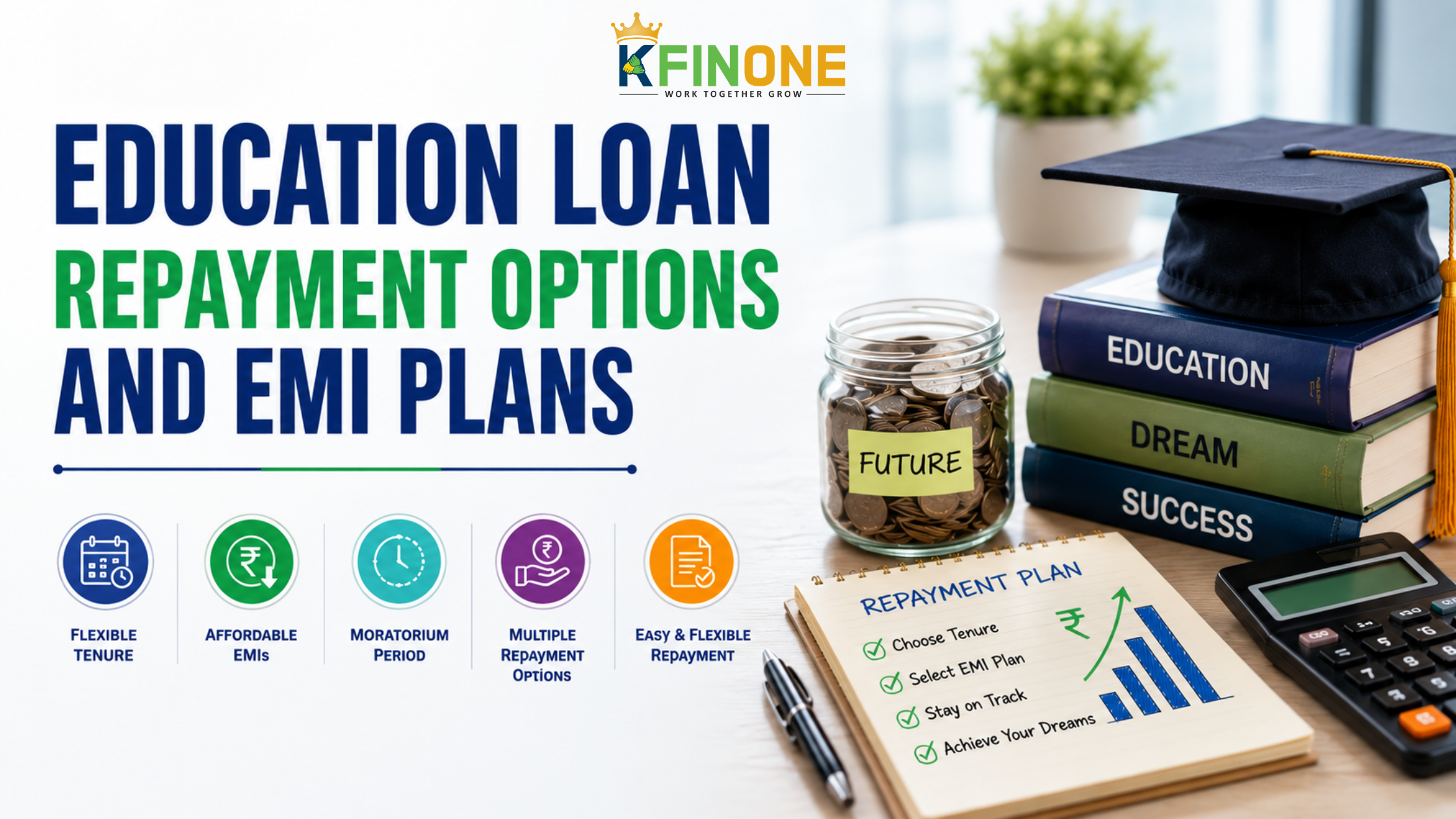
One of the biggest advantages of an education loan is its flexible repayment structure. Education loans are designed to support students during their studies and provide sufficient time before repayment begins. Understanding the available repayment options and EMI plans can help borrowers manage their finances more effectively.
How Much Time is Available to Repay an Education Loan?
The repayment period is the time given to repay the loan amount along with the applicable interest. Depending on the lender and loan amount, the repayment tenure can range from 5 to 15 years. With an extended repayment period, borrowers can enjoy smaller EMIs and better financial management after graduation.
Understanding the Moratorium Period
Most education loans come with a moratorium period, which is a repayment holiday offered to students. This period generally covers the course duration plus an additional 6 to 12 months after completing the course or until the borrower secures employment.
During the moratorium period, students are not required to pay full EMIs, allowing them to focus on their education and career development.
Common Education Loan Repayment Options
1. Full EMI Repayment
Under this option, borrowers start paying the full EMI immediately after the loan is disbursed. This helps reduce the overall interest burden and can lower the total loan cost.
2. Interest-Only Payments During Study Period
Some lenders allow students or their parents to pay only the interest component while the student is studying. After the moratorium period ends, regular EMI payments begin.
3. Partial Interest Payments
Borrowers may choose to pay a portion of the accrued interest during the study period. This helps control the loan balance and reduces future repayment pressure.
4. Deferred Repayment
In this option, repayment starts only after the moratorium period ends. While this provides maximum flexibility during studies, the accumulated interest may increase the overall loan amount.
How Education Loan EMIs Are Calculated
The EMI amount depends on several factors:
- Loan Amount
- Interest Rate
- Repayment Tenure
- Type of Interest Applied
A higher loan amount or shorter repayment tenure generally results in higher monthly EMIs. Borrowers should carefully choose a repayment plan that fits their expected income after graduation.
Tips for Managing Education Loan Repayments
- Start repayment as early as possible to reduce interest costs.
- Choose a tenure that balances affordability and total interest paid.
- Set up automatic EMI payments to avoid missed deadlines.
- Monitor your loan account regularly.
- Consider prepayment whenever possible to reduce outstanding debt.
Benefits of Flexible EMI Plans
Flexible EMI plans provide financial comfort and reduce stress during the transition from student life to professional life. They allow borrowers to focus on building their careers while managing loan obligations responsibly.
Choosing the right repayment option can make a significant difference in your overall borrowing experience. Before applying for an education loan, compare repayment plans carefully and select one that aligns with your future financial goals.