
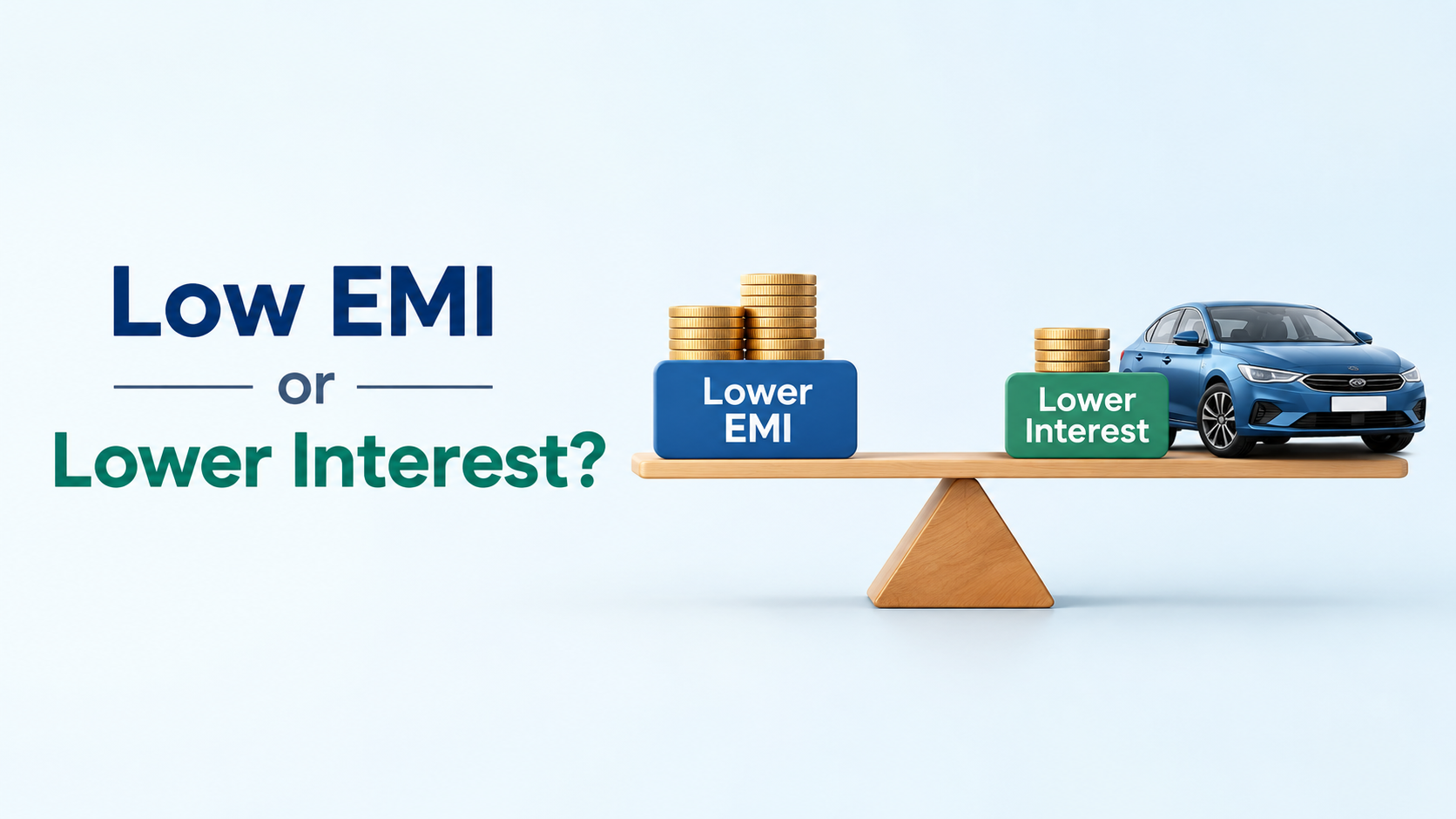
Low Car Loan EMI or Lower Total Interest? Which Should You Choose?
Buying a car often involves more than choosing the right model, features, and price. For many buyers, financing is an important part of the purchase decision. A car loan can make it easier to spread the cost over several months or years, but selecting the right repayment structure requires careful consideration.
One of the biggest questions borrowers face is whether they should choose a lower monthly EMI or focus on paying less total interest over the loan period. While a smaller EMI may appear more affordable, extending the repayment period can increase the overall cost of borrowing. On the other hand, choosing a shorter tenure may reduce the interest expense but result in a higher monthly payment.
Understanding this difference can help you choose a car loan that suits your financial situation.
What Determines Your Car Loan EMI?
The monthly EMI depends on several factors rather than just the price of the vehicle. The primary factors include the amount borrowed, interest rate, and repayment tenure.
If you make a larger down payment, you may need to borrow less, which can reduce your EMI and overall interest cost. Similarly, selecting a shorter tenure generally increases the monthly EMI but reduces the number of months during which interest is charged.
Before applying, it is useful to calculate different combinations of loan amounts, interest rates, and tenures. This can give you a clearer picture of what your monthly obligation could look like.
Why Borrowers Prefer Lower EMIs
A lower EMI can make monthly budgeting easier. When a significant portion of your income is already committed to household expenses, savings, insurance, or other financial obligations, a manageable car loan payment can provide greater breathing room.
For instance, a borrower may choose a longer repayment period because it allows the loan payment to fit more comfortably within the monthly budget. The additional cash available each month could potentially be used for emergency savings, investments, or other planned expenses.
However, there is an important trade-off. A longer tenure means the loan remains outstanding for a greater period, and interest may accumulate over more instalments. Therefore, borrowers should not evaluate a loan solely by looking at the monthly EMI.
Why Lower Total Interest Can Be More Beneficial
If reducing the overall borrowing cost is your priority, a shorter repayment period may be worth considering. Although the monthly EMI is likely to be higher, the loan can be cleared sooner, potentially reducing the total interest paid.
This approach can make sense for borrowers with stable income and sufficient monthly surplus. Paying a little more each month could help reduce the overall cost of financing and allow you to become debt-free sooner.
However, selecting a shorter tenure without considering your monthly budget can create financial pressure. An EMI that looks manageable initially could become difficult if you face unexpected expenses or changes in income.
Consider the Complete Cost, Not Just the EMI
A common mistake is to compare car loans based only on the EMI advertised by a lender or dealership. Instead, borrowers should consider the complete repayment picture.
Suppose two loan options offer different tenures. The longer-tenure option may show a noticeably smaller EMI, but the total amount repaid by the end of the loan could be considerably higher. The shorter-tenure option may require a larger monthly payment but could result in lower overall interest.
This is why comparing monthly EMI, total interest, and total repayment amount is important before making a final decision.
Use an EMI Calculator Before Choosing a Tenure
A car loan EMI calculator can make this comparison easier. By entering the expected loan amount, interest rate, and different repayment periods, you can see how changes in tenure may affect your monthly instalment.
Try comparing at least two or three tenure options rather than immediately accepting the longest repayment period available.
For example, if a five-year loan produces a comfortable EMI, also check what the payment would be for a four-year or three-year tenure. If the higher EMI remains affordable without disturbing your regular savings and expenses, the shorter option may reduce your overall interest cost.
Keep Your Monthly Budget in Mind
While reducing interest is financially attractive, it should not come at the expense of your day-to-day financial stability.
Before selecting your EMI, consider your regular commitments, including household expenses, rent, insurance, education costs, existing loan payments, and savings. You should also account for car-related expenses such as fuel, maintenance, insurance, parking, and servicing.
A car loan EMI should fit comfortably alongside these expenses rather than consume most of your monthly surplus.
Think About Your Financial Goals
Your future plans can also influence the right loan structure. If you expect major expenses in the coming years, keeping the EMI lower may provide useful flexibility.
On the other hand, if your income is stable and you have adequate savings, choosing a shorter tenure could help you repay the loan faster and reduce the total interest burden.
The right decision therefore depends on whether your priority is monthly affordability or long-term savings.
Don't Ignore Other Loan Charges
The interest rate is just one factor that determines the total cost of a car loan. Before signing a car loan agreement, carefully review processing fees, documentation charges, prepayment or foreclosure conditions, and other applicable costs.
Also compare the terms offered by different lenders instead of choosing an option simply because it has a lower advertised EMI.
Final Takeaway
Choosing between a low car loan EMI and lower total interest is ultimately about finding the right balance. A longer tenure can make monthly payments easier to handle, but it may increase the total cost of the loan. A shorter tenure can potentially save interest, but it requires a higher monthly commitment.
Before taking a car loan, calculate your affordable EMI, compare multiple tenures, understand the total repayment amount, and review all applicable charges. Instead of automatically choosing the lowest EMI, select a repayment plan that supports both your current monthly budget and long-term financial goals.