When Can a Personal Loan Be Useful? Common Situations to Consider
A personal loan can be a financial option when you need money for an important expense and your available savings are not sufficient. Whether you are planning home improvements, managing unexpected medical bills, paying for education, or handling another significant expense, a personal loan may help you manage the cost over a repayment period. However, borrowing should always be based on your financial needs, repayment capacity, and the total cost of the loan.
Understanding when a personal loan may be useful can help you compare your options and make informed financial decisions.
Managing Unexpected Medical ExpensesMedical emergencies can create sudden financial pressure for individuals and families. Hospital bills, diagnostic tests, medicines, dental procedures, and other healthcare expenses may arise when you have not planned for them in advance.
In such situations, some people consider a personal loan to help cover the expense. Before borrowing, review your health insurance coverage, available savings, hospital payment options, and any other suitable sources of funds. If you decide to apply for a loan, compare the interest rate, processing charges, monthly instalment, and repayment period carefully. A personal loan should be considered only after assessing whether the repayments will remain manageable alongside your regular household expenses.
Financing Home Renovation and Repairs
Maintaining a home can involve expenses such as plumbing repairs, electrical work, painting, flooring, kitchen improvements, or bathroom renovations. These projects can improve the comfort and functionality of your living space, but they may require a substantial budget.
A personal loan may be an option when savings do not cover the full cost of necessary repairs or improvements. Start by obtaining estimates from contractors and identifying the most important work. Separate essential repairs from upgrades that can wait. Compare the cost of borrowing with the benefits of completing the project immediately. If the work is not urgent, saving gradually may be more affordable than taking on an additional monthly repayment.
Supporting Education and Skill Development
Education and professional development can involve expenses beyond tuition fees. Course materials, examination fees, computers, certification programmes, and other learning requirements can add to the overall budget. For certain education-related expenses, a personal loan may be one option to explore.
However, students and families should also compare dedicated education loans, scholarships, fee instalment arrangements, and other available support. Education loans may have different eligibility requirements, repayment structures, and features, so comparing alternatives is important. Before borrowing, estimate the full cost of the course and consider the likely repayment source. A realistic financial plan can help you avoid taking on more debt than necessary.
Managing Important Life Events
Weddings, family functions, relocation, and other major life events may require considerable spending. When savings are insufficient, some individuals consider a personal loan to manage part of the expense. Before applying, prepare a budget and decide which costs are essential. For example, venue charges, travel, accommodation, and other arrangements should be estimated in advance.
Look for opportunities to reduce unnecessary expenses and avoid borrowing simply to meet social expectations. A loan may provide access to funds, but the event will eventually pass while the repayment obligation remains. Choose a budget that reflects your financial circumstances rather than borrowing beyond your means.
Consolidating Existing Debt
Some borrowers explore personal loans to consolidate multiple outstanding debts into a single repayment. Depending on the interest rate, fees, repayment period, and existing loan conditions, consolidation may make monthly payments easier to organise. However, combining debts does not automatically make borrowing cheaper.
A new loan with a longer repayment period may increase the total interest paid, even if the monthly instalment becomes lower. Additional fees and early repayment charges may also affect the overall savings. Before choosing debt consolidation, calculate the total cost of your existing debts and compare it with the proposed loan. Avoid taking on new debt without addressing the spending habits or financial difficulties that contributed to the original balances.
Handling Other Planned Expenses
There may be other situations in which a personal loan is considered, including purchasing essential household items, covering an urgent travel requirement, or paying for a necessary professional service.
The key question is whether the expense is important enough to justify borrowing. If the purchase can be postponed while you save, that approach may reduce your financial burden. If the expense cannot reasonably be delayed, compare the available financing options and select one that fits your budget.
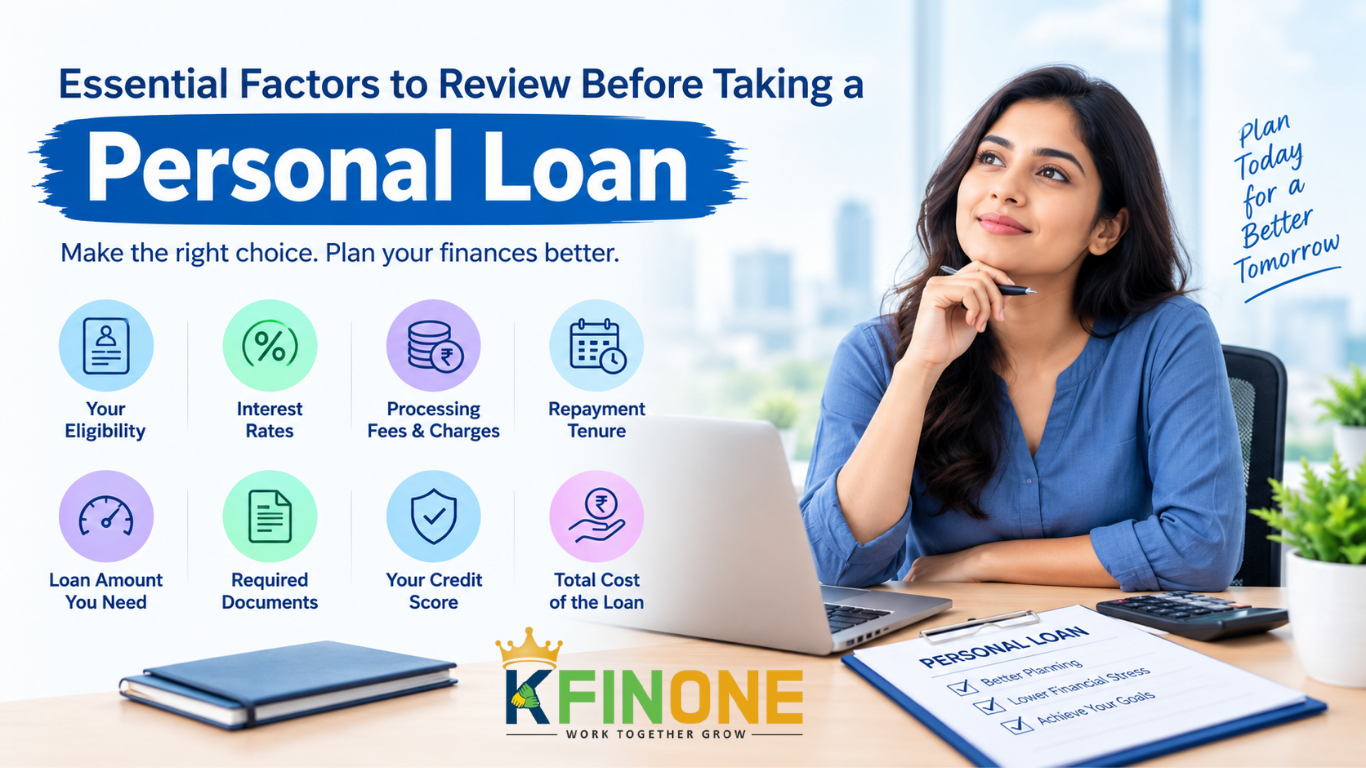
Essential Factors to Review Before Taking a Personal Loan
Before submitting an application, review your income, existing EMIs, household expenses, savings, and other financial commitments. Determine how much you can comfortably repay each month without affecting essential needs or emergency savings.
Compare lenders based on the interest rate, processing fees, repayment period, late-payment charges, prepayment conditions, and total amount payable. Do not focus only on the advertised monthly instalment. A longer repayment period may lower the monthly payment but increase the total interest cost.
Lenders may consider your income, employment or business stability, credit history, existing obligations, and other eligibility criteria. Commonly requested documents include identity proof, address proof, bank statements, and income-related records, although requirements vary by lender. Read the loan agreement carefully before accepting an offer. Approval, loan amounts, interest rates, and disbursal timelines depend on the lender's assessment and applicable terms.
Conclusion
A personal loan may be useful when you need funds for a necessary expense and have a clear, realistic repayment plan. Medical bills, home repairs, education costs, important life events, and certain debt-consolidation needs are situations in which borrowers may explore this option.
However, borrowing is not always the best solution. Compare alternatives, calculate the total cost, and make sure the repayment fits your monthly budget. Responsible planning can help you address financial needs without creating unnecessary pressure in the future. KFINONE provides loan-related information to help individuals explore available options and prepare for informed financial decisions.