
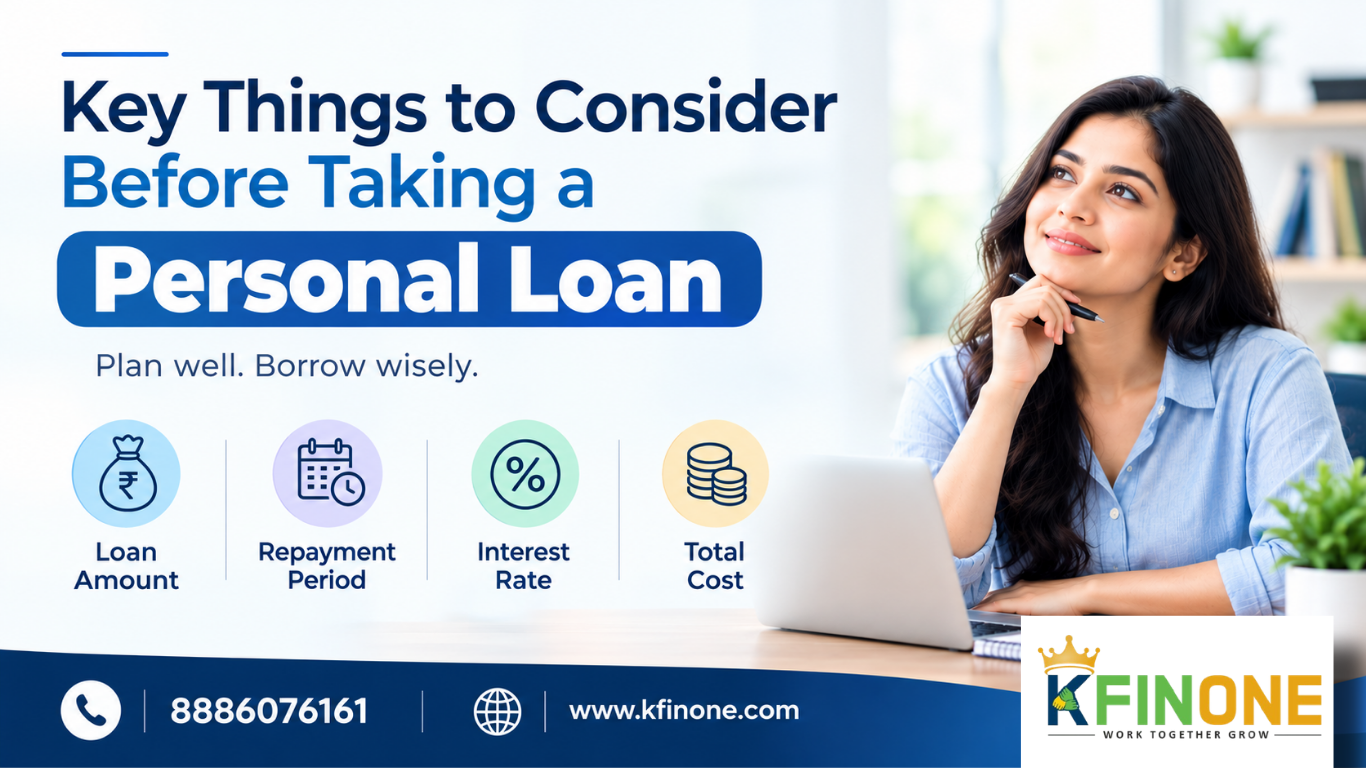
Personal Loan Planning Guide: Amount, Repayment Period and Total Cost
A personal loan can provide funds for various needs, but choosing the right loan involves more than looking at the amount offered. Before applying, evaluate your loan amount, repayment period, and total borrowing cost to make a well-informed financial decision.
Decide How Much You Need to Borrow
Start by estimating the actual expense. If the money is for home repairs, medical bills, education, or another planned need, prepare a budget using realistic cost estimates. Choose a loan amount that matches your actual financial needs and repayment capacity rather than opting for the maximum amount offered. A larger loan generally means a higher repayment obligation and potentially more interest over time.
Check Your Repayment Capacity
Before submitting your application, assess your monthly earnings and regular expenses to determine how much you can comfortably repay. Include rent or housing costs, groceries, utilities, insurance, existing EMIs, and regular family commitments. The remaining amount can help you estimate whether a new monthly instalment is manageable. Leave room for emergencies and changes in income rather than using your entire surplus for repayments.
Understand the Repayment Period
The repayment period, also called the loan tenure, affects the instalment and total borrowing cost. A shorter tenure often means higher monthly payments but less time for interest to accumulate. A longer tenure may reduce the monthly payment while increasing the total interest, depending on the loan terms. Compare different repayment periods and select one that fits your budget.
Compare the Total Loan Cost
Do not compare offers based on the advertised interest rate alone. Review the following details:
- Interest rate and how it is calculated
- Processing fees and applicable taxes
- Monthly instalment and total repayment amount
- Late-payment charges
- Prepayment or foreclosure conditions
Ask the lender for a clear breakdown of the total amount payable before accepting an offer.
Review Eligibility and Documents
Personal loan approval may depend on your income, employment or business stability, current financial commitments, credit profile, age, and the lender’s eligibility criteria.The exact criteria differ by lender and loan product.
Commonly requested documents may include identity proof, address proof, bank statements, income evidence, and other documents specified by the lender. Self-employed applicants may need additional business or income records. Preparing accurate documents can make the application process more organised, although it does not guarantee approval.
Compare Alternatives Before Applying
Depending on your requirement, alternatives may include using savings, arranging a payment plan, exploring an employer benefit, or considering a loan designed specifically for the expense. Compare the costs and conditions of each option before making a decision . Limit multiple loan applications and carefully assess their potential impact on your credit score and future repayment obligations.
Final Thoughts
Responsible personal loan planning starts with a clear purpose, a realistic borrowing amount, and a repayment plan that leaves room for essential expenses. Compare the full cost of borrowing, understand the lender's conditions, and read the agreement carefully before signing.
KFINONE provides loan-related information to help visitors explore available options and prepare for informed financial decisions.