
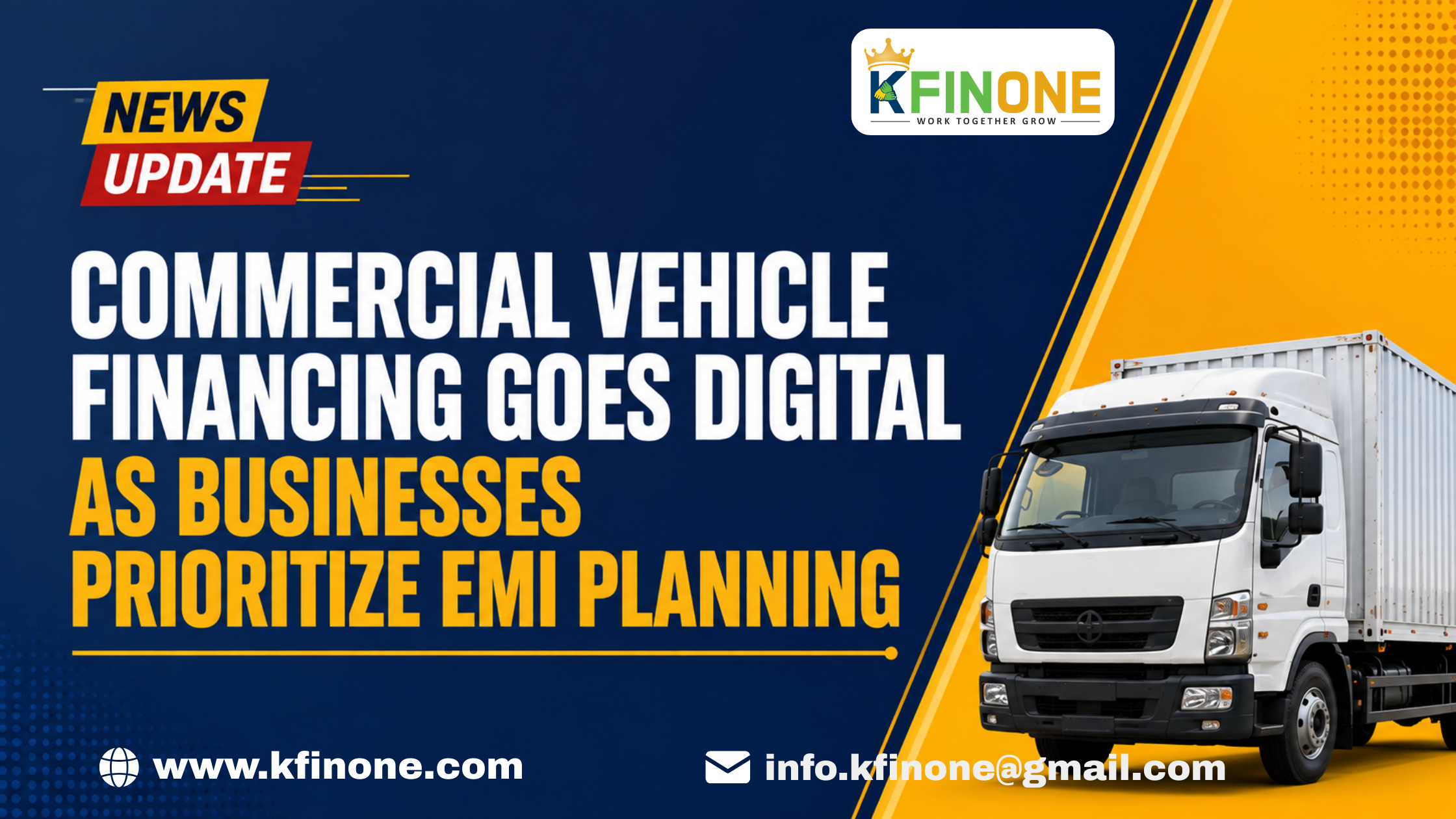
Commercial Vehicle Financing Goes Digital as Businesses Prioritize EMI Planning
The commercial vehicle financing sector in India is witnessing a steady shift toward digital lending and smarter repayment planning, with transport operators and small businesses increasingly using online EMI calculators before applying for loans. Financial institutions and NBFCs are focusing on faster digital approvals, transparent repayment schedules, and flexible financing options to support the growing demand for commercial vehicles. Industry experts believe that digital loan tools are enabling borrowers to make smarter financial decisions while managing their monthly cash flow more effectively.
The trend comes as India's formal credit ecosystem continues to expand rapidly. Recent data shows that access to formal retail credit has more than doubled over the past decade, driven by wider adoption of EMI-based financing and improved digital lending infrastructure. This increased financial inclusion is encouraging more entrepreneurs, fleet operators, and logistics businesses to choose structured loan products for purchasing trucks, delivery vans, and other commercial vehicles.
Lenders are also investing in technology that enables borrowers to compare loan amounts, interest rates, and repayment tenures instantly through digital platforms. Features such as online eligibility checks, instant EMI calculations, digital document submission, and faster loan processing are making commercial vehicle financing more accessible, particularly for small business owners and first-time buyers. Financial experts recommend evaluating the total borrowing cost not just the monthly EMI before selecting a loan tenure to maintain healthy business cash flow.
As India's transport and logistics industry continues to grow, commercial vehicle loans are expected to play an increasingly important role in fleet expansion and business development. With digital lending solutions becoming more advanced, borrowers can expect greater transparency, quicker approvals, and more flexible repayment options, making it easier for businesses to invest in revenue-generating vehicles while maintaining financial stability.