Can You Qualify for a Home Loan While Repaying a Personal Loan?
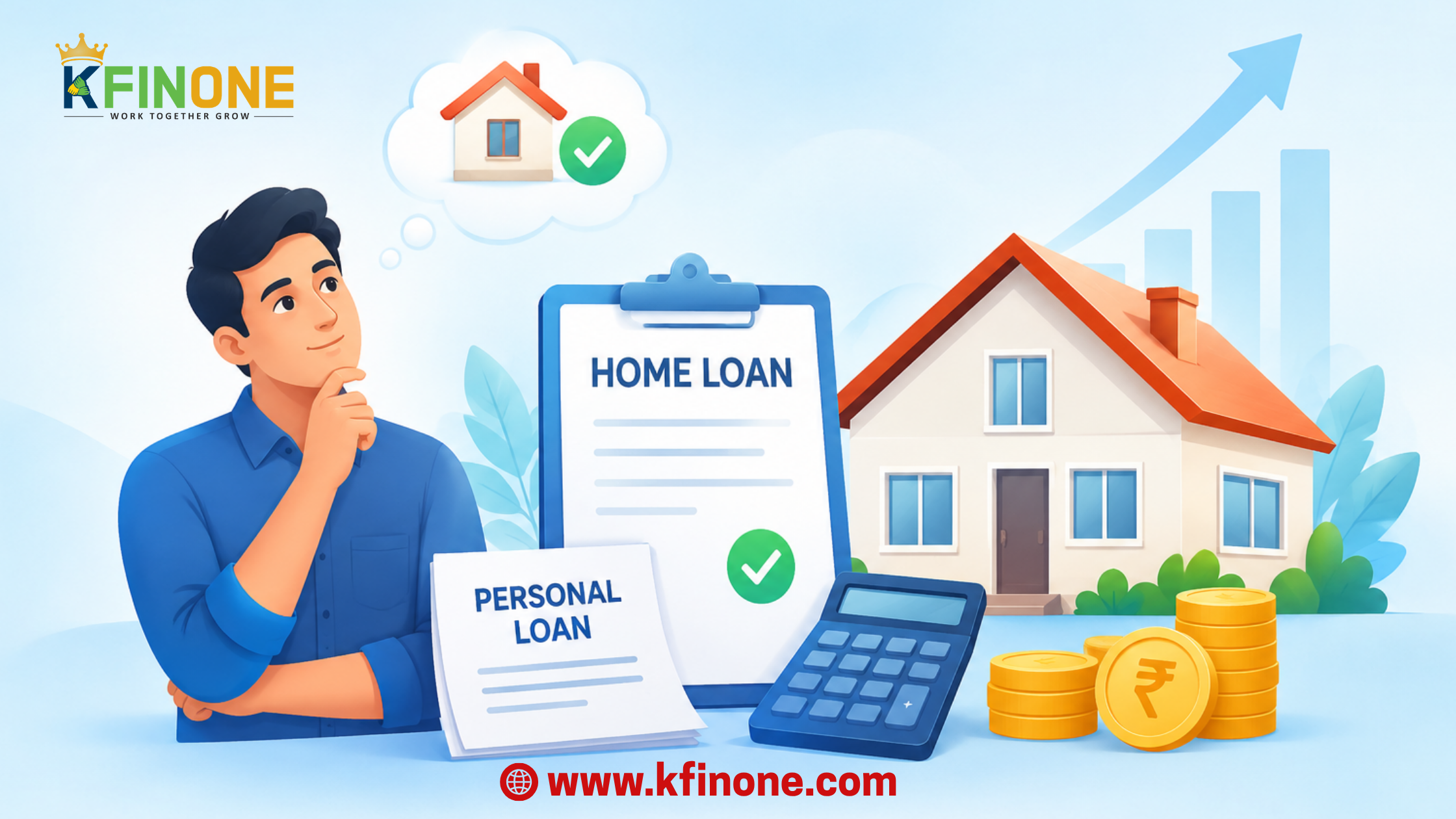
Purchasing a home is one of the biggest financial commitments most people make. Many people who are already repaying a personal loan often wonder whether they can still qualify for a home loan. The good news is yes, it is possible to get a home loan even if you have an existing personal loan. However, your approval depends on several financial factors, including your income, repayment history, credit score, and overall debt obligations.
Before approving a home loan, lenders assess whether you can comfortably manage multiple loan repayments. If you have maintained a strong repayment record and your finances are stable, an existing personal loan may not prevent you from achieving your dream of homeownership.
Personal Loan vs. Home Loan: Understanding the Key Differences
Before applying, it is helpful to understand how these loans differ.
A personal loan is usually an unsecured loan that can be used for various purposes such as medical emergencies, education, weddings, or home renovation. Since no collateral is involved, personal loans often carry higher interest rates and shorter repayment periods.
A home loan, on the other hand, is a secured loan specifically designed for purchasing, constructing, or renovating a residential property. The property itself serves as security, allowing lenders to offer comparatively lower interest rates and longer repayment tenures.
Having one type of loan does not automatically disqualify you from obtaining another.
Can You Qualify for a Home Loan While Repaying a Personal Loan?
Yes, you can. Banks and financial institutions assess your complete financial profile rather than focusing only on your existing loan.
They evaluate whether you have sufficient income to comfortably manage both EMIs without affecting your financial stability.
If your financial profile meets the lender's eligibility criteria, your home loan application can still be approved.
Factors That Lenders Consider
1. Debt-to-Income Ratio (DTI)
One of the most important factors is your Debt-to-Income (DTI) Ratio.
This ratio compares your total monthly debt obligations, including all EMIs, with your monthly income.
A lower DTI indicates that you have enough income to manage additional financial commitments.
A healthy DTI improves your chances of home loan approval.
2. Credit Score
Your credit score indicates how responsibly you have managed your borrowing and loan repayments.
Lenders generally prefer applicants with:
- A consistently high credit score
- Timely repayment history
- No loan defaults
- Minimal delayed EMI payments
A good credit score reflects responsible credit management and improves your chances of loan approval.
3. Monthly Income
Your income is a key factor in assessing your ability to repay a loan.
Higher and stable income provides assurance that you can handle both:
- Existing personal loan EMI
- New home loan EMI
Applicants with regular salaries or stable business income generally have better approval chances.
4. Employment Stability
Lenders also evaluate your employment history.
They prefer borrowers who have:
- Stable employment
- Consistent income source
- Longer work experience
- Reliable career growth
Stable employment reduces lending risk.
5. Existing EMI Burden
The size of your current personal loan EMI matters.
If your personal loan EMI consumes a large portion of your monthly income, lenders may:
- Offer a smaller home loan amount
- Request a higher down payment
- Suggest reducing your existing debt first
Lower existing financial commitments improve your eligibility.
How an Existing Personal Loan Affects Home Loan Approval
An existing personal loan does not automatically result in a home loan rejection.
However, it can influence:
- Loan eligibility amount
- Maximum sanctioned loan
- Interest rate offered
- Approval timeline
- Repayment assessment
If your finances are well-managed, the impact is usually minimal.
Tips to Improve Your Home Loan Eligibility
Maintain a Good Credit Score
Continue paying all EMIs on time.
Ensure all loan payments are made on time, avoid defaults, and limit new credit applications before applying for a home loan.
Reduce Outstanding Personal Loan Balance
If possible, repay a significant portion of your personal loan before submitting your home loan application.
Lower outstanding debt improves your repayment capacity.
Avoid Taking New Loans
Applying for multiple loans simultaneously may create the impression of financial stress.
Avoid additional borrowings while preparing for your home loan application.
Increase Your Down Payment
Making a higher down payment lowers the amount you need to borrow through a home loan.
Benefits include:
- Lower EMI
- Higher approval chances
- Reduced lender risk
- Lower overall interest cost
Maintain Stable Income
Ensure your salary or business income remains consistent.
Frequent job changes or irregular income may affect your application.
Situations Where Approval May Become Difficult
While approval is possible, lenders may hesitate if:
- Your credit score is poor.
- You have missed EMI payments.
- Your debt-to-income ratio is too high.
- Your income is insufficient for both EMIs.
- You are currently managing multiple loans or outstanding credit card balances.
- Your employment history is unstable.
Improving these factors before applying can significantly increase your chances.
Should You Close Your Personal Loan Before Applying?
Closing your personal loan is not always necessary.
If:
- Your income comfortably supports both loans
- Your repayment history is excellent
- Your credit score is healthy
You may not have to repay your personal loan in full before applying for a home loan.
However, if the existing EMI is very high, reducing or clearing the outstanding balance can improve eligibility and may help secure better loan terms.
Benefits of Managing Both Loans Responsibly
Borrowers who successfully manage both a personal loan and a home loan can enjoy several advantages:
- Build a stronger credit history
- Improve financial discipline
- Demonstrate responsible borrowing behavior
- Increase future loan eligibility
- Enhance long-term financial credibility
Making timely loan repayments consistently can strengthen your financial profile over time.
Common Mistakes to Avoid
Avoid these mistakes when planning for a home loan:
- Missing personal loan EMI payments
- Applying with a poor credit score
- Taking additional loans before approval
- Ignoring your debt-to-income ratio
- Overestimating your repayment capacity
- Not checking your credit report before applying
Careful financial planning can help prevent unnecessary complications during the approval process.
Conclusion
Getting a home loan while repaying an existing personal loan is entirely possible, provided your financial profile demonstrates strong repayment capacity. Lenders primarily assess your income, credit score, debt-to-income ratio, employment stability, and repayment history before making a decision.
If you maintain timely EMI payments, keep your debt under control, and avoid unnecessary borrowing, your chances of securing a home loan remain strong. Planning your finances wisely and understanding the lender's eligibility requirements can help you move one step closer to owning your dream home without disrupting your existing financial commitments.