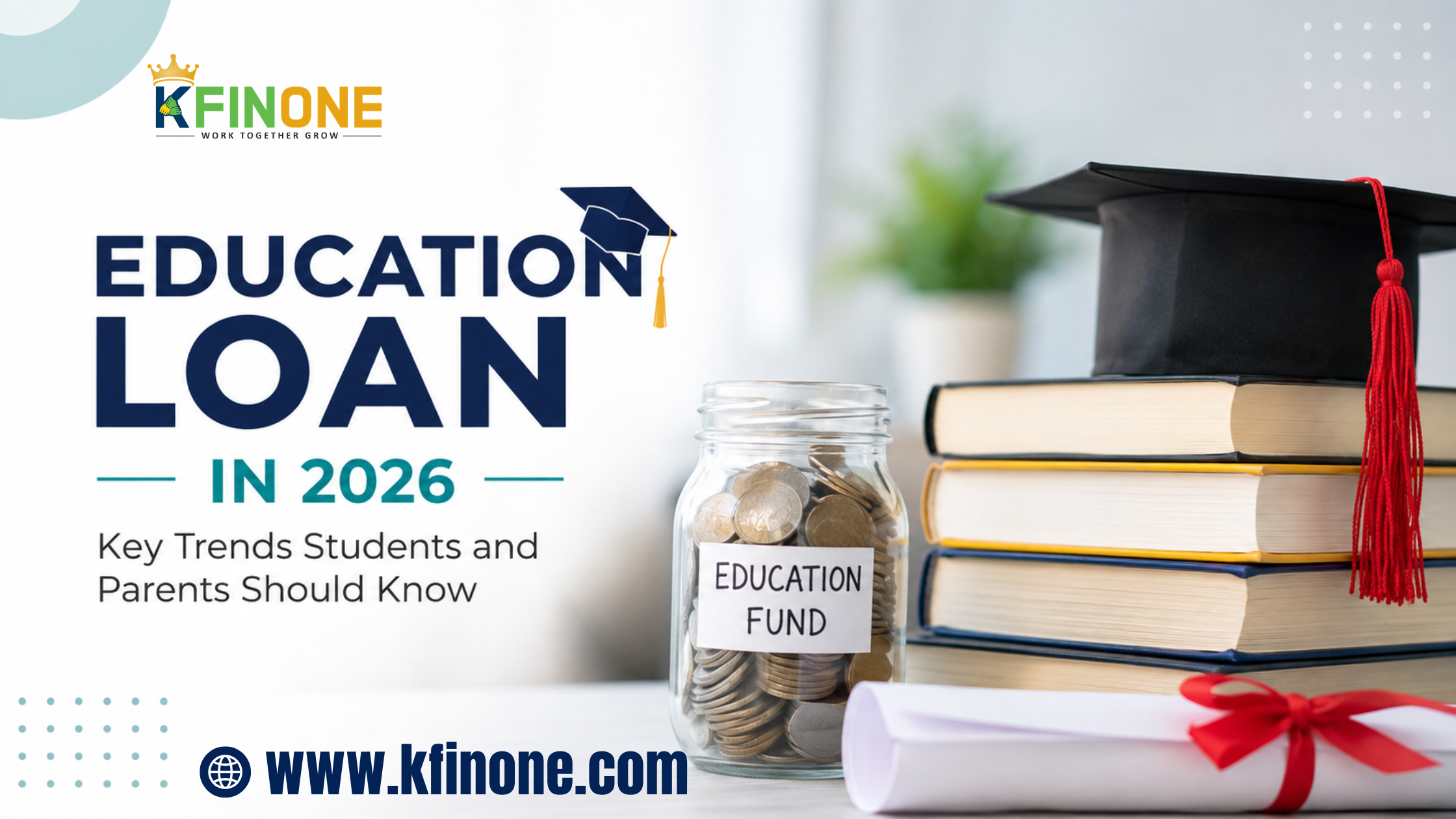
Education Loan in 2026: Key Trends Students and Parents Should Know
Higher education is becoming increasingly important for students who want to build specialised skills and improve their career opportunities. However, rising tuition fees, accommodation costs, travel expenses, and other education-related expenses can make higher studies financially challenging for many families.
An education loan can help students and parents manage these costs without using all their savings at once. As education and lending continue to evolve, several new trends are shaping how students approach education financing in 2026.
What Is an Education Loan?
An education loan is a financial facility designed to help students pay for eligible higher-education expenses. Depending on the lender and course, the loan may cover expenses such as tuition fees, examination fees, accommodation, books, equipment, travel expenses for overseas education, and other approved costs.
The borrower generally repays the loan through EMIs after the applicable repayment period begins. Parents or guardians may also be involved as co-borrowers, depending on the lender's requirements.
Key Education Loan Trends in 2026
1. Growing Demand for Skill-Based Courses
Students are increasingly exploring courses that provide specialised and industry-relevant skills. Along with traditional undergraduate and postgraduate programmes, demand is growing for areas such as technology, data science, artificial intelligence, healthcare, management, finance, and other professional fields.
This is influencing education financing as students look beyond conventional degree programmes and consider courses that may improve their employment prospects.
2. Increased Interest in Overseas Education
Studying abroad continues to attract Indian students looking for international exposure and specialised academic programmes. However, overseas education can involve significant expenses, including tuition fees, accommodation, travel, insurance, and living costs.
Education loans can help eligible students manage these expenses through structured financing rather than paying the entire cost from personal savings.
3. Digital Loan Applications Are Becoming More Convenient
Technology is making the education loan application process more accessible. Many lenders now provide online application facilities where students and parents can submit applications, upload documents, track application progress, and receive updates digitally.
This can reduce paperwork and make the initial application process more convenient.
4. Greater Focus on Loan Affordability
In 2026, students and parents are paying greater attention to the overall affordability of an education loan rather than simply looking at the approved loan amount.
Before borrowing, applicants should consider factors such as:
- Interest rate
- Loan amount
- Repayment tenure
- Processing charges
- Moratorium period
- EMI amount
- Prepayment conditions
- Eligible education expenses
Comparing different loan options can help borrowers choose financing that better suits their financial situation.
5. More Awareness About Credit Scores
Credit history can be an important consideration during the loan application process, particularly when parents or guardians are co-borrowers.
A strong credit profile may support a smoother borrowing experience, while existing debts, missed payments, or a weak credit history could affect loan eligibility or terms.
Students and parents should therefore review their credit profile and maintain timely repayments on existing credit obligations.
6. Increased Interest in Collateral-Free Education Loans
Some students and parents prefer education loans that do not require property or other assets as security, particularly for smaller loan requirements.
However, collateral requirements depend on the lender, loan amount, course, institution, applicant profile, and applicable policies. Applicants should check the specific terms before applying.
7. Education Loan Planning Starts Earlier
Students and parents are increasingly planning education financing before admission. Early planning can help families estimate the total cost of education and determine how much funding may be required.
A basic estimate should include:
- Tuition fees
- Hostel or accommodation expenses
- Books and study materials
- Examination fees
- Travel expenses
- Living expenses
- Equipment or technology costs
- Other institution-related charges
Planning these expenses in advance can reduce the chances of arranging funds at the last minute.
Education Loan for Studying Abroad
International education requires careful financial planning because expenses can be considerably higher than those associated with domestic education.
Students planning to study abroad should consider:
- University tuition fees
- Accommodation costs
- Visa-related expenses
- Travel costs
- Health insurance
- Living expenses
- Currency exchange fluctuations
- Course duration
- Emergency expenses
An education loan may help eligible students finance several approved expenses. However, borrowers should understand the loan's repayment obligations before committing to a course.
How to Choose the Right Education Loan in 2026
Choosing an education loan should involve more than comparing interest rates. Students and parents should evaluate the complete cost and terms of the loan.
Consider the following factors:
Interest Rate
The interest rate directly affects the overall repayment cost. Compare the applicable rates offered by different lenders.
Loan Amount
Check whether the lender can provide sufficient funding for the expected education expenses.
Repayment Tenure
A longer tenure can reduce the monthly EMI but may increase the total interest paid over the loan period.
Moratorium Period
Understand when repayment begins and whether interest accrues during the study or moratorium period.
Processing Fees and Other Charges
Check processing fees, documentation charges, insurance requirements, and other applicable costs.
Prepayment Options
If you expect to repay the loan early, check whether the lender allows prepayment and what conditions apply.
Eligibility Requirements
Review requirements related to the student's course, institution, academic background, age, co-borrower, income, and credit profile.
Documents Generally Required for an Education Loan
Documentation requirements vary between lenders, but applicants may commonly need:
- Identity and address proof
- Passport-size photographs
- Academic certificates and mark sheets
- Admission or offer letter
- Course fee structure
- Proof of income of the co-borrower
- Bank statements
- Address proof of the applicant and co-borrower
- Collateral documents, where applicable
For overseas education, additional documents such as a passport, visa-related documents, or university documents may be required.
Tips for Students and Parents Before Taking an Education Loan
Taking an education loan is a long-term financial commitment. Consider these practical tips before applying:
- Estimate the total cost of education instead of borrowing only for tuition fees.
- Compare multiple lenders based on interest rates and other charges.
- Check the repayment terms carefully before signing the loan agreement.
- Understand the moratorium period and how interest is treated during this period.
- Borrow only what is required to avoid unnecessary debt.
- Maintain a good repayment record on existing credit facilities.
- Keep all academic and financial documents ready to make the application process smoother.
- Consider future income prospects before deciding on the loan amount and tenure.
Why Education Loan Planning Matters in 2026
The cost of higher education can have a significant impact on a family's finances. At the same time, students are increasingly pursuing specialised courses and international education opportunities.
An education loan can provide access to funding while allowing families to preserve their savings for other financial needs. However, borrowing should be based on careful budgeting, realistic repayment expectations, and a clear understanding of the loan terms.
Conclusion
Education financing is evolving as students explore new courses, international opportunities, and career-focused programmes. In 2026, trends such as digital loan applications, growing interest in overseas education, greater focus on affordability, skill-based courses, and increased financial planning are influencing how students and parents approach education loans.
Before applying, compare loan options, understand the applicable interest rate and repayment conditions, estimate your future EMI, and borrow according to your actual requirements. A well-planned education loan can help make higher education more financially manageable while supporting long-term academic and career goals.